

When one is trying to decide between wedding dress silhouettes, it can feel effortless until there are numerous dresses that are all really similar. They are not. A close-fitting mermaid silhouette produces a very different silhouette from a soft A-line, and a ball gown provides a completely different shape. It is dependent upon the movement, fabric, proportions, venue, and individual style.
There are those brides who desire structure, and there are those who want something that can move around easily. No one shape fits all! This website for wedding dress silhouettes explains the various picks available, how they look on the wearer, and when they are likely to work best. For this blog, we're going to look at what are some of the most common wedding dress silhouettes and which styles work with each silhouette.
The main wedding dress shapes differ mostly in where the dress becomes fitted and where the skirt begins to widen. That small change can completely alter the finished look.
A-line dresses are fitted around the bodice and gradually widen toward the hem. Among wedding dress styles, this is one of the easiest shapes to wear because the skirt does not cling closely to the hips.
A-line wedding dress silhouettes can look elegant in satin, soft in chiffon, or more structured with layers of tulle. They suit garden weddings, ballrooms, and smaller ceremonies without feeling too specific.
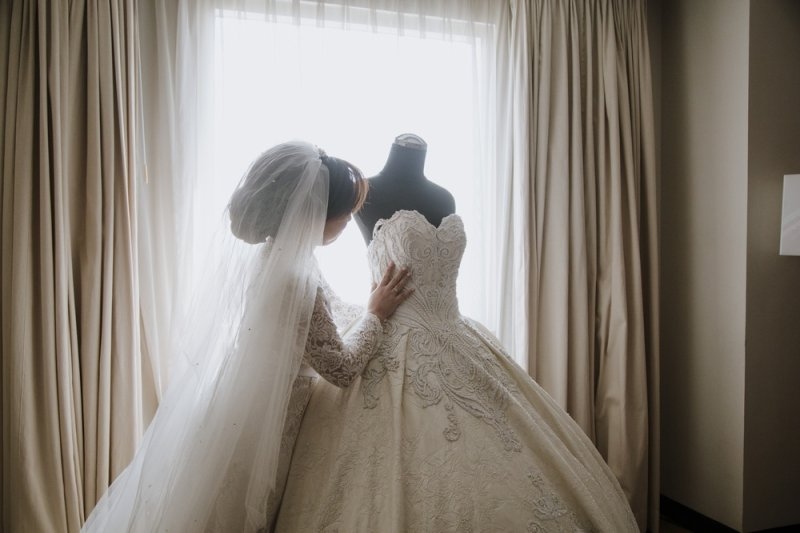
Ball gowns have a fitted bodice with a dramatically full skirt. These bridal gown silhouettes create strong waist definition and a traditional bridal effect.
The volume does require space, though. A crowded venue or narrow aisle can make a very full skirt less practical. Still, for a formal ceremony, it makes an immediate statement.
Mermaid dresses remain close to the body through the bodice, waist, and hips before opening sharply near the knee or lower. Fit-and-flare is similar but usually begins widening earlier.
These wedding dress shapes emphasize the body's natural outline. Brides wanting sculpted wedding dress styles often consider these first, particularly when the dress has stretch or supportive construction.
Sheath and column dresses fall relatively straight from the neckline toward the hem. They create less volume than most traditional wedding dress silhouettes.
They work particularly well for minimalist ceremonies, beach weddings, and modern receptions. A column dress in crepe feels very different from one in beaded fabric, even though the basic shape stays the same.
Don't Miss: What Are the Top 10 Bridal Veil Styles Every Bride Should Try?
A direct comparison makes the differences easier to see. The best wedding dress silhouette is usually the one that matches both the desired appearance and practical needs.
| Silhouette | Main Effect | Movement | Common Bridal Style |
|---|---|---|---|
| A-line | Balanced, gently defined | Easy | Classic, romantic |
| Ball gown | Dramatic, waist-focused | Moderate | Formal, traditional |
| Mermaid | Sculpted, fitted | Lower | Glamorous, modern |
| Fit-and-flare | Defined but softer | Moderate | Contemporary |
| Sheath | Long, clean line | Easy | Minimalist |
| Column | Straight, streamlined | Easy | Modern, understated |
Think beyond the photograph. A heavily embellished mermaid may feel very different after four hours of sitting, dancing, and walking.
Body proportions can help narrow choices, but they should not become strict rules. Wedding dress styles for different body types are better treated as starting points rather than instructions.
For petite brides, wedding dress silhouettes with clean vertical lines can prevent the dress from overwhelming the frame. Sheath, column, fit-and-flare, and lightly structured A-line designs can create length without excessive bulk.
A huge skirt is not automatically wrong. It simply needs proportion. A shorter train, controlled layers, or a higher waistline may keep the overall look lighter.
Wedding dress silhouettes for curvy brides often include A-line, fit-and-flare, and structured ball gown options. Supportive bodices, well-placed seams, and fabrics with enough structure can make a bigger difference than the silhouette name itself.
Curvy brides do not need to hide their shape. The dress can follow it, skim it, or deliberately create contrast.
When choosing a wedding dress silhouette, look at the complete outline rather than focusing only on the waist or hips. Neckline, sleeve length, train, and fabric all change the final proportions.
This is where trying several wedding dress styles becomes useful. A bride may dislike a silhouette on paper, then find that the actual fabric and construction completely change her opinion.
Suggested Reading: Top Vintage Bridal Accessories to Add Old World Charm
The practical answer to how to choose a wedding dress silhouette is to test the dress against your real wedding conditions, not only a mirror.
A cathedral-length train and enormous ball gown may suit a grand ballroom but become awkward at a small outdoor ceremony. Likewise, a simple column dress can feel completely appropriate at a city venue but less traditional in a formal setting.
Ask where you will walk, sit, dance, and photograph. Those details matter.
Fabric changes wedding dress silhouettes more than many shoppers expect. Satin creates structure and shine; chiffon moves softly; crepe gives a cleaner line; tulle adds volume.
Walk, sit, raise your arms, and turn around. If the dress looks beautiful but restricts basic movement, that matters.
Searches such as what wedding dress silhouette is best for me or which wedding dress silhouette is most flattering can produce endless rules. Treat them carefully.
The best wedding dress silhouette for my body type is not automatically the dress another person recommends. Your preferred neckline, comfort level, proportions, and overall bridal style still have to fit the decision.
Also Read: Colored Wedding Dresses Bringing New Magic to Bridal Style
As there is no universal answer to what the various wedding dress silhouettes are, it would certainly be perfect to recognize which one you must pick out. A bride who loves volume will go for a ball gown, while one who loves clean lines will choose a column or sheath. Another bride can fall somewhere in between the two.
Wedding dress silhouettes for various body shapes should be considered with regard to reference points and not as discrete categories. Try contrasting options. Compare the same fabric in different shapes. Make several photos from different perspectives. The difference may be quite apparent.
Certain alterations are allowed, including any change of volume and any seam changes. Significant changes in silhouette can be costly or may not be feasible because of construction.
Yes. Ivory, any bright white, champagne, and other colors can alter the way seams, texture, and volume are visible. Lighting also makes a difference.
No. Photographs cannot show comfort, weight, movement, or how the fabric behaves while walking. Fitting by appointment provides far more useful information.
Fittingly, some dresses manage to merge such elements as a fitted bodice and an A-line overskirt. Available in two styles, both of the skirts can look entirely different when they are outwardly worn.
They can. More complex gowns, trains, and multiple layers could be more difficult to fit than a more basic gown design. Always inquire prior to buying whether any alteration is required.
This content was created by AI