

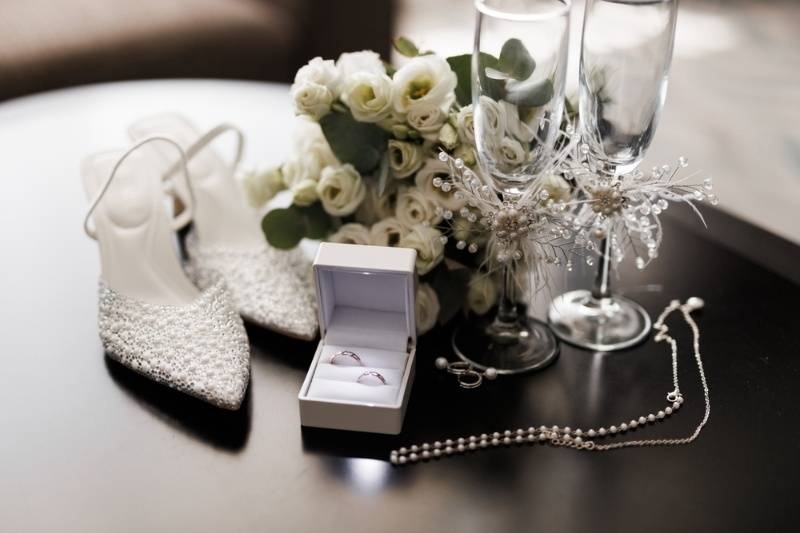
A wedding dress usually gets most of the attention in the early stages of planning, and that makes sense. It is the centerpiece. It sets the tone. It is the thing most brides picture first. But once the dress is chosen, the look still is not finished. That is where the smaller details begin to matter more than many people realize. A veil can soften the entire silhouette. Earrings can brighten the face. The right shoes can change posture, comfort, and confidence. Even the smallest hairpiece can shift the mood from simple to romantic or from classic to modern.
That is why bridal accessories deserve more thought than a last-minute shopping trip usually allows. They do not need to be excessive, and they definitely do not need to compete with the dress. Their job is to support the overall look, not overwhelm it. When chosen well, they make the bride feel polished, balanced, and fully herself.
The best part is that accessories often help the outfit feel personal. Two brides can wear similar gowns and still look completely different based on how they finish the look. That is where the fun begins.
This is the first rule worth remembering. The dress already says a lot, so the accessories do not need to say everything else at full volume. A heavily embellished gown often looks better with restraint. A minimalist gown can usually handle a little more sparkle or structure. The balance matters.
This is why shopping for wedding accessories for a bride should start with the dress details in mind. Neckline, fabric, silhouette, sleeve style, and embellishment level all influence what works. A high-neck gown may not need a necklace at all. A strapless dress may leave more room for statement earrings or a delicate pendant. A sleek satin gown may suit modern pieces, while a lace-heavy dress may call for softer, more romantic details.
It helps to ask simple questions before buying anything:
When these answers are clear, choices become much easier and far less random.
Jewelry is often the first accessory category brides think about, and it is easy to see why. Earrings, necklaces, bracelets, and rings all show up in close-up photos, portraits, and getting-ready moments. Still, too much jewelry can make the overall look feel crowded.
That is where bridal jewelry sets can be both helpful and a little risky. A coordinated set makes styling easier, but it should still feel right for the dress rather than chosen only because everything matches. Sometimes a full set is perfect. Other times, just earrings and a bracelet look cleaner and more elegant.
A few useful styling directions:
The best bridal jewelry usually catches light in a flattering way and frames the face well. It should feel intentional, not like an extra layer added out of obligation.
Hair has a huge impact on the final bridal look, which means hair accessories matter more than people sometimes expect. The same gown can feel modern, soft, regal, or understated depending on what goes into the hairstyle. A clean bun with a minimalist pin feels very different from loose waves with a crystal comb or a pearl headband.
That is why bridal hair accessories should be chosen after the hairstyle direction is somewhat clear. A comb may disappear in one style and stand out beautifully in another. A headband can feel chic with sleek hair but too much with detailed curls and a dramatic veil.
Popular options often include:
The goal is not to decorate every inch of the hair. It is to add one finishing detail that feels connected to the rest of the look.
A lot of brides are unsure about veils until they actually try one on. That hesitation is common. Veils can sound overly traditional on paper, but in person they often bring softness and movement in a way that no other accessory quite does. They also photograph beautifully, especially during portraits, entrances, and outdoor shots.
This is where understanding wedding veil styles really helps. A fingertip veil feels different from a cathedral veil. A blusher creates a more classic moment. A simple raw-edge veil looks modern, while lace-trimmed versions feel more romantic and detailed.
A few common veil directions include:
Trying on different lengths often changes the decision quickly. What looks too formal in theory can look exactly right with the dress.
Don't Miss: Why Lace Wedding Gowns Are the Perfect Choice for Brides
Wedding shoes are often chosen for the aisle, but they have to last far beyond that. The ceremony, photos, cocktail hour, dancing, standing, walking across grass, stairs, and late-night exhaustion all come into play. That is why comfort deserves real attention here.
Many brides treat shoes as one part of their bride accessories checklist, but they should probably rank higher than they often do. Beautiful shoes matter, of course, though the smartest choice is usually the one that looks elegant and feels wearable for hours.
Helpful things to consider:
A bride who is comfortable walks differently, stands differently, and looks more relaxed in photos. That matters more than a painful heel ever will.
Some of the loveliest bridal styling choices are not the obvious ones. They are the smaller pieces that tie the whole look together quietly. A sentimental handkerchief, a silk ribbon in the bouquet, a vintage brooch sewn into the dress lining, or a delicate perfume bottle on the getting-ready table can all become part of the day’s visual memory.
This is why bridal accessories are not only about sparkle or formality. They are also about meaning. A bride may borrow earrings from her mother, wear a bracelet gifted by a close friend, or choose a hairpin that echoes family tradition. These details often end up feeling more special than trend-driven purchases.
It also helps to think about what will show in photos. Earrings, veils, shoes, and hairpieces all tend to appear naturally in the album. More hidden pieces may matter emotionally, even if they are not always visible. Both kinds have value.
One of the easiest mistakes is trying to buy every accessory in one burst of excitement. That usually leads to duplicates, second-guessing, or pieces that do not quite fit once the full look starts coming together. A slower approach works better.
This is where wedding accessories for bride shopping becomes easier when done in stages. The dress usually comes first. Then the bride can decide on shoes, veil, jewelry, and hair details with more confidence because the foundation is already set.
A calm order often looks like this:
This order helps avoid overbuying and keeps the styling process more focused. It also makes fittings more useful because accessories can be tested with the gown as decisions are made.
Even when accessories are bought from different places, the final look should still feel connected. That does not mean everything has to match exactly. In fact, too much matching can look stiff. What matters more is that the pieces seem to belong to the same overall mood.
A bride wearing sleek satin and clean lines may want modern bridal jewelry sets and a minimal comb. A bride in lace with floral details may prefer softer pearls or vintage-style sparkle with romantic bridal hair accessories. The connection can come through shape, finish, tone, or texture.
The easiest way to check this is to lay the pieces out together and ask a simple question: do these look like they belong to the same person on the same day? If the answer is yes, the styling is probably moving in the right direction.
Worth a Look: Sustainable Wedding Dresses for Modern, Eco-Chic Brides
There are endless lists online, and some are useful. Still, not every bride needs every accessory category. One bride may want a full veil, dramatic earrings, and embellished heels. Another may want only a delicate pair of studs and a clean bun. Both can be right.
That is why a smart bride accessories checklist should be flexible, not strict. It can include the common categories, but the real purpose is to help the bride choose what supports her dress, venue, comfort, and personality.
A simple checklist may include:
The final look should feel finished, but it should also feel true to the bride. That is what makes it memorable.
It usually helps to begin after the dress is chosen, but not too close to the wedding. Starting a few months in advance gives enough time to try pieces with the gown, make changes if needed, and avoid rushed choices. It also makes fittings more useful because accessories can be tested with the dress. Waiting until the last minute often leads to buying whatever is available instead of what actually feels right.
Not at all. A veil can be beautiful, but it is not the only way to finish a bridal look. Some brides feel more like themselves in a sleek hairstyle with a comb, pearl pins, or a headband instead. The look feels complete when the styling feels intentional, not when every traditional element is included. The most successful bridal styling usually comes from choosing details that support the dress and the bride’s personality, not from checking every expected box.
The easiest way is to choose one or two features to emphasize and let the rest stay quieter. If the bride wants dramatic earrings, the necklace can stay minimal or disappear entirely. If the veil is long and detailed, the hair accessory may need to be simpler. Looking at everything together before the wedding helps a lot. The goal is for the accessories to feel cohesive and polished, not like several beautiful pieces competing for attention at the same time.
This content was created by AI